Why This Payment Matters in Daily Life
For many households, $2,000 can solve immediate financial challenges. Retirees may use it for medications or groceries. Working families might rely on it for rent or mortgage payments. Others may use it to pay utility bills or reduce high-interest credit card balances. Beyond the numbers, the comfort of knowing bills can be paid on time brings emotional relief and greater stability.
Who May Qualify
Eligibility for federal direct deposits generally depends on income limits, tax return records, and federal benefit status. In past programs, Social Security recipients, SSI and SSDI beneficiaries, veterans, and low- to middle-income taxpayers were often included. Income thresholds typically determine whether someone receives the full amount or a reduced payment. Having an updated tax return on file usually helps speed up the process if a payment is authorized.
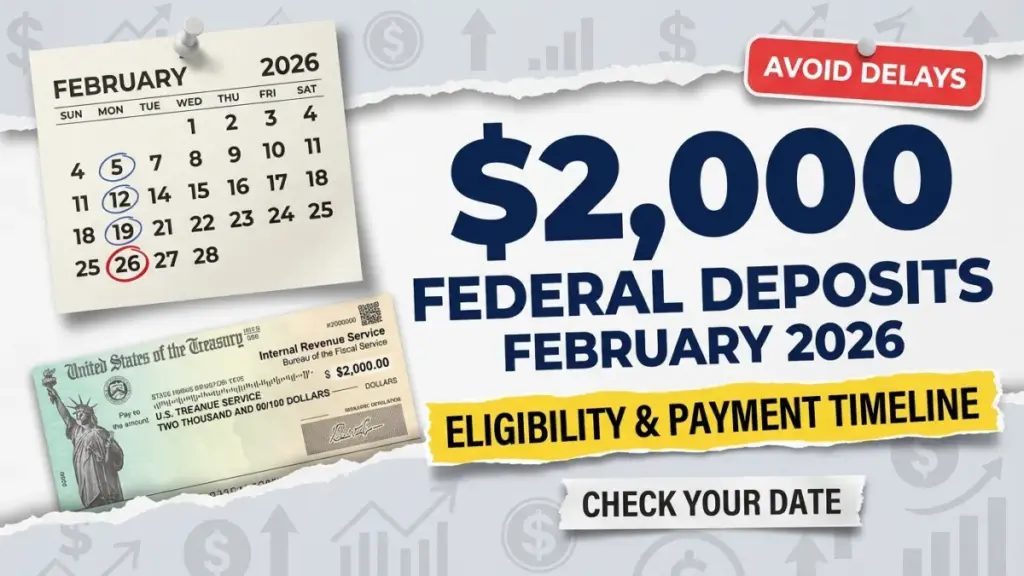
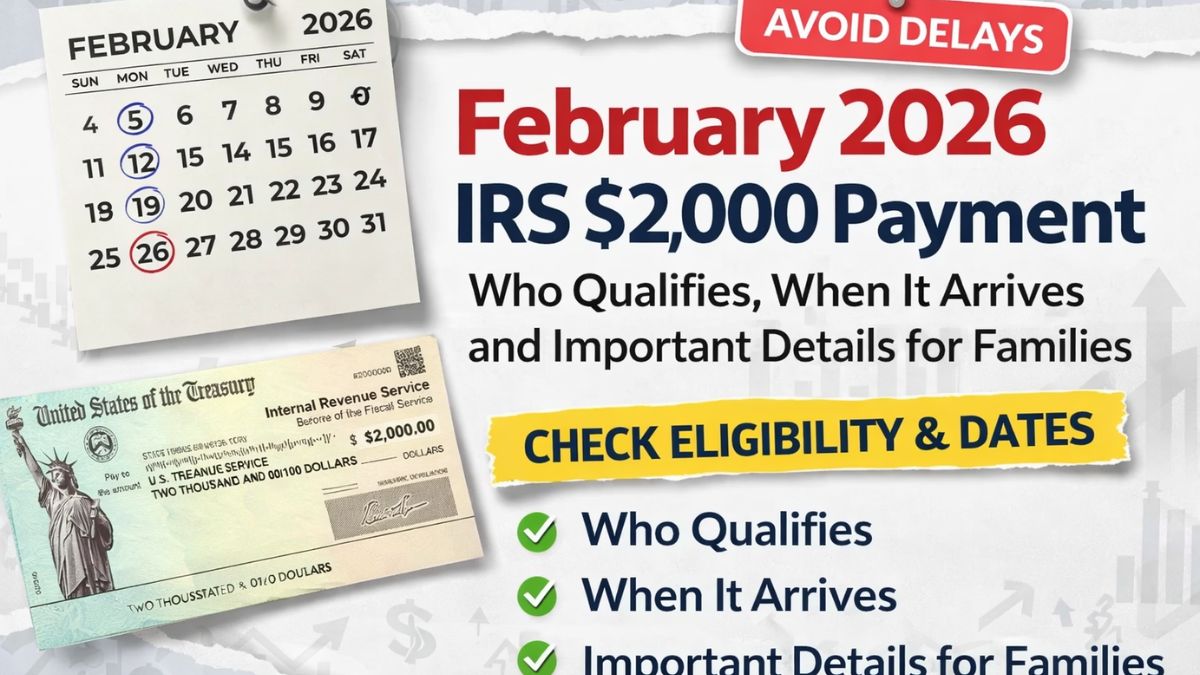
Expected February 2026 Timeline
Federal payments are usually sent in phases to ensure secure delivery. Direct deposits are typically issued first to bank accounts already on file. Mid-month payments may follow for recently processed returns. Paper checks or prepaid debit cards are generally mailed later in the month to those without direct deposit. Direct deposit remains the fastest option and often arrives within a few business days of release.
Steps to Prevent Delays
Small errors can delay payments. Filing the most recent tax return, confirming bank account details, and updating mailing addresses are important steps. Using official IRS tracking tools allows individuals to monitor their payment status safely. Taking these actions early can help avoid unnecessary waiting.
A $2,000 direct deposit in February 2026 could provide valuable support to many families. Understanding eligibility rules and keeping records accurate increases the chances of smooth processing. Preparation and reliable information help households stay confident and organized during tax season.
Disclaimer
This article is for informational purposes only and does not provide legal, tax, or financial advice. Federal payment programs depend on official legislation and agency approval. Payment amounts, eligibility requirements, and timelines may change. Always verify information through official government sources or consult a qualified professional for personalized guidance.